
"Ecuadorian coffee beans"
900 article(s) found

Hasunda coffee Ecuadorian coffee characteristics Ecuadorian coffee beans taste
Professional coffee knowledge exchange more coffee bean information please follow the coffee workshop (Wechat official account cafe_style) coffee treasures from the hometown of giant turtles, this kind of coffee is of excellent quality and does not use any chemicals when growing. Coffee is grown in San Cristobal (Saint Crstbal). St. Cristobal is one of the Galapagos Islands (Galapagos Islands).

Ecuadorian coffee flavor introduces the characteristics of Ecuadorian coffee beans in Santa Cruz Manor.
St. Cristobal is a larger island in the Galapagos archipelago. At 410m above sea level, there is a small lake called El.Junco, which forms streams along the rocks and volcanic rocks on the southern slope of the island. Mineral-rich fresh water moistens the land of St. Cristobal, keeping the soil moist and fertile. For here.

Introduction to Hassanda Coffee Manor
Mr. Veniso, winner of the 2014 Ecuador Coffee Competition, told reporters that some of the Ecuadorian coffee is espresso made from Ecuadorian alpine coffee beans. This coffee comes from a mountain area about 1000 to 2000 meters above sea level and has a mellow taste with aromas and sweetness of fruit, grass and chocolate. Some add thin coffee from the Amazon region to this espresso.

Fragrant coffee flavor description of Hassanda Coffee Garden in Ecuador
The coffee beans produced in Ecuador's Galapagos Islands are organic coffee beans, thanks to the unique ecological environment such as volcanic soil and microclimate, coupled with the fact that they do not use any chemical fertilizers or pesticides, they are recognized as natural green boutique coffee. this naturally grown coffee has a mild taste with a hint of flowers and fruit and caramel. It is understood that the Galapagos Islands are far from Eritrea.
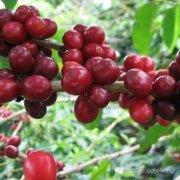
Data of hand-brewing temperature, grindability and powder-water ratio of Ecuadorian coffee
Ecuador is located in South America, and the equatorial line runs through the country, so it is also called the country of the equator. its superior geographical location, fertile soil and special climatic conditions create a superior natural environment for coffee bean cultivation, while Ecuador is one of the few countries in the world that can produce both Arabica and Robusta coffee beans.
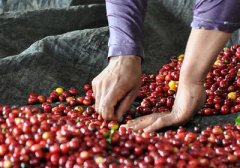
An introduction to the Ecuadorian Coffee Hassanda Coffee Garden, known as the "Equatorial country".
Most countries in the world are rich in only one kind of coffee beans, while Ecuador is one of the few countries in the world that can produce both Arabica coffee beans and Robusta coffee beans. The Ecuadorian Coffee tasting, sponsored by the Consulate of Ecuador in Guangzhou, was recently held at the Art Cafe in the Guangdong Provincial Museum. Gaoshandou joining the rose is so amazing in 2014.

Ecuadorian Coffee Farm Hadassen Coffee Garden introduces Ecuadorian coffee bean flavor
Ecuador is one of the few countries in South America that produces both Arabica and Robbins. However, as the land suitable for Arabica coffee trees is decreasing, the production of Robbins coffee is gradually increasing. The best Arabica coffee comes from the Andes, especially the Chanchagu Valley (Chanchamgo Valley), which is divided into two mountains from the south.

Flavor and taste characteristics of coffee varieties in Hasunda Coffee Garden introduction of fine coffee beans in producing areas
In order to show the public the superior quality of Ecuadorian coffee and its diversity as raw materials for other drinks and delicacies, the following celebrity guests were specially invited to attend the event to show rich and diverse cultural colors. Luciana LiaoInkalab baristas and Shanghai finalists of the World barista Competition will demonstrate the first-class quality of Ecuadorian coffee through coffee hand performance.

Introduction to the characteristics of Ecuadorian coffee beans in the producing area of Ecuadorian coffee
St. Cristobal is a larger island in the Galapagos archipelago. At 410m above sea level, there is a small lake called El.Junco, which forms streams along the rocks and volcanic rocks on the southern slope of the island. Mineral-rich fresh water moistens the land of St. Cristobal, keeping the soil moist and fertile. For here.

Introduction of flavor and taste of coffee farm in Ecuador introduction of Hasunda Coffee Garden
Mr. Veniso, champion of the 014 Ecuadorian Coffee Competition, told reporters that some of the Ecuadorian coffee is espresso made from Ecuadorian alpine coffee beans. This kind of coffee comes from a mountain area about 1000 to 2000 meters above sea level. The taste is mellow, with aromas and sweetness of fruit, grass and chocolate; some add thin coffee from the Amazon River basin to this espresso.

Fragrant Hassanda Coffee Manor in Ecuador, the planting market price of boutique coffee beans is simple.
Flavor: balanced acidity, aromatic fragrance recommended roasting methods: medium to deep roasting, can be made into high-quality mixed coffee, suitable for multi-purpose evaluation: generally the best Ecuadorian coffee is grown on the island of San Cristobal in the Galapagos Islands, here has the unique natural geographical conditions for giving birth to the best quality coffee in the world. A cup of Galapagos coffee, Jude

Ecuadorian Coffee Flavor and Taste Manor production area introduces the boutique Ecuadorian coffee bean producing area
As coffee is consumed by people all over the world, the world coffee industry is also moving towards mass production, while St. Cristobal, a small and unreliable coffee industry, is in trouble and is likely to be forced to give up without profit. It wasn't until the early 1990s that the Gonzalez family bought Hasunda Coffee Park. Humboldt current (HumboldtC

Ecuadorian coffee single bean growing area Growing characteristics Flavor description
Professional barista exchanges, please pay attention to coffee workshop (Weixin Official Accounts cafe_style ) GALAPAGOS is an island located directly below the equator in the Pacific Ocean. It is a famous tourist attraction. The island has many important unique ecology and species, such as giant tortoises, GALAPAGOS penguins, etc. Therefore, it is listed as a self-employed by the United Nations Educational, Scientific and Cultural Organization (USECO).

Introduction to the description of planting Environment and Flavor of Ecuadorian Coffee varieties with faint grassy fragrance
The Arabian Coffee Tree was first introduced to Ecuador (Ecuador) in 1952 and its coffee is of good quality, especially the coffee harvested in early June. Ecuadorian coffee beans can be divided into two varieties: Galapagos and Gigante, both of which have the characteristics of large granules and heavy weight. Ecuadorian coffee can be divided into first class (No.1) and super excellent (ExtraSuperior) according to its quality.

Characteristics of Ecuadorian coffee beans Ecuadorian coffee manor
The Arabian Coffee Tree was first introduced to Ecuador in 1952 and its coffee is of good quality, especially the coffee harvested in early June. Ecuadorian coffee beans can be divided into two varieties: Galapagos and Gigante, both of which have the characteristics of large granules and heavy weight. Ecuadorian coffee can be divided into first class (No.1) and super excellent (Extra Superior) according to its quality.

Introduction to Hasunda Coffee Garden in Ecuador Coffee Flavor Manor
Mr. Veniso, winner of the 2014 Ecuador Coffee Competition, told reporters that some of the Ecuadorian coffee is espresso made from Ecuadorian alpine coffee beans. This coffee comes from a mountain area about 1000 to 2000 meters above sea level and has a mellow taste with aromas and sweetness of fruit, grass and chocolate. Some add thin coffee from the Amazon region to this espresso.

The flavor and taste of Ecuadorian coffee with floral and caramel flavors introduce the brand of Hassan in the manor area.
According to Ms. Malena, Consul General of the Consulate General of Ecuador in Guangzhou, Ecuador is located in South America, and the equatorial line runs through the country, so it is also known as the country of the equator. its superior geographical location, fertile soil and special climatic conditions create a superior natural environment for coffee bean cultivation. The coffee beans produced in the Galapagos Islands of Ecuador are organic coffee beans, which benefits from this.

Introduction of Ecuadorian coffee flavor and taste high-quality coffee beans in Ecuadorian coffee producing areas
As coffee is consumed by people all over the world, the world coffee industry is also moving towards mass production, while St. Cristobal, a small and unreliable coffee industry, is in trouble and is likely to be forced to give up without profit. It wasn't until the early 1990s that the Gonzalez family bought Hasunda Coffee Park. Humboldt current (HumboldtC